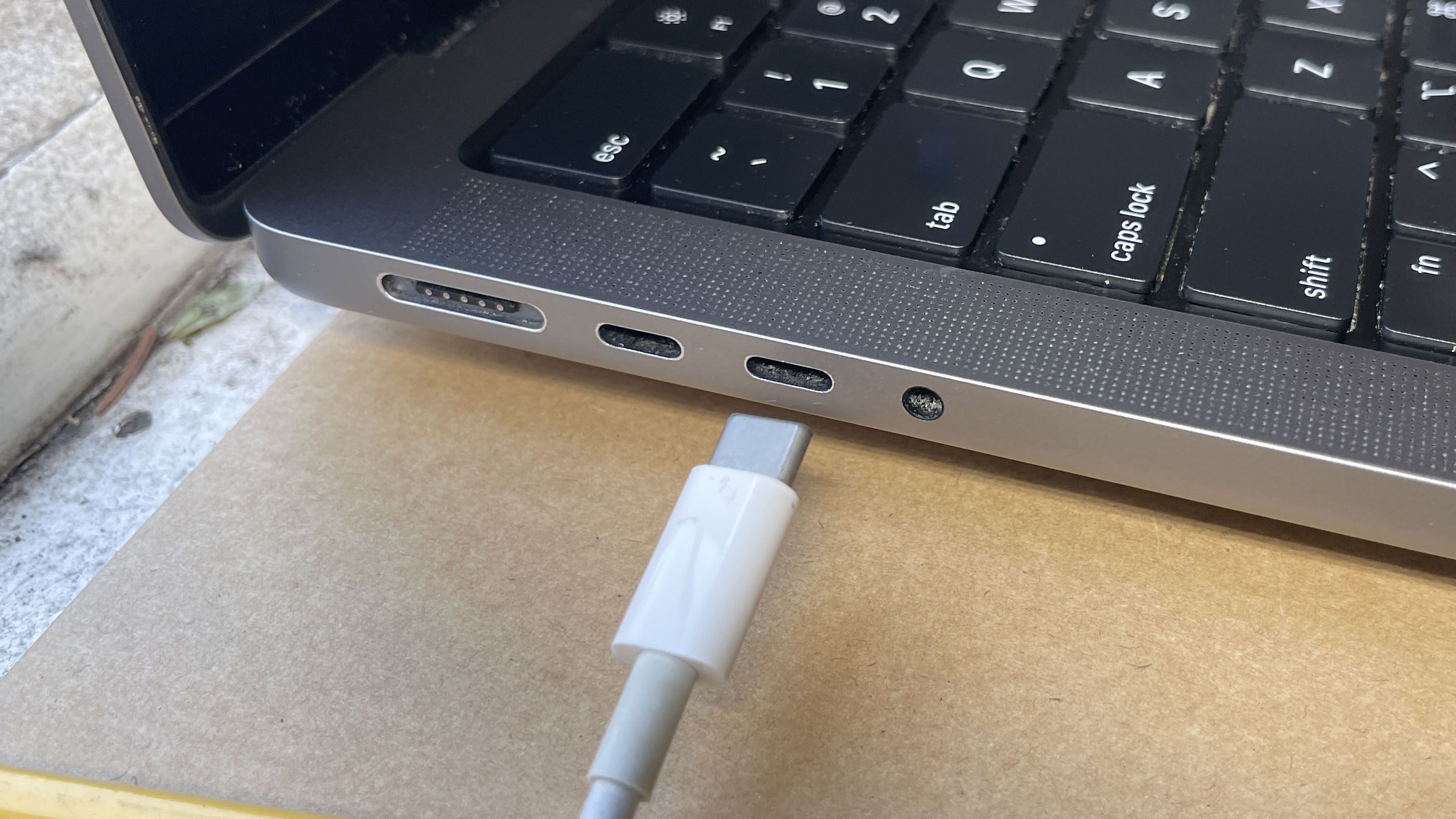
The Evolution of USB-C: Why It’s the Future of Connectivity
The evolution of USB-C has been nothing short of revolutionary, representing a significant leap forward in connectivity technology. Initially introduced in 2014, this versatile port combines data transfer, video output, and power delivery in a single, compact design. Unlike its predecessors, USB-C supports faster data transfer rates—up to 40 Gbps with Thunderbolt 3—and can deliver up to 100 watts of power, making it capable of charging everything from smartphones to laptops. This future of connectivity enables a seamless user experience, reducing the clutter of multiple cables and adapters.
As devices continue to evolve, the industry is moving towards a universal standard, and USB-C is leading the charge. Major tech companies are adopting this format, including Apple, Google, and Microsoft, further solidifying its position as the new norm. The benefits of USB-C extend beyond just convenience; they include enhanced durability and improved functionality. Furthermore, with features like reversible design and support for various protocols, USB-C is not just an upgrade—it's an essential element of a more interconnected world.
Counter-Strike is a popular first-person shooter game that has captivated millions of players worldwide. Known for its competitive gameplay, it originally started as a mod for Half-Life and has since evolved into one of the most played multiplayer games. Players can engage in thrilling matches as either terrorists or counter-terrorists while strategizing to outsmart their opponents. For gamers looking to enhance their experience, check out the Top 10 Fast Chargers for Android Devices to ensure their devices are always ready for action.
Top 5 Reasons Why You Should Switch to USB-C Today
In today's fast-paced digital world, transitioning to USB-C technology is becoming increasingly essential. One of the most compelling reasons to switch to USB-C is its universal compatibility. With a single connector type, USB-C provides a seamless experience across a wide range of devices including smartphones, laptops, tablets, and accessories. This means you can finally ditch the clutter of multiple charging cables and adapters, streamlining your tech setup.
Another key advantage of USB-C is its fast charging capabilities. Many USB-C devices offer power delivery, allowing them to charge at significantly higher speeds compared to traditional USB connectors. This not only saves you valuable time but also enhances your overall user experience. Additionally, USB-C supports higher data transfer rates, making it easier and quicker to transfer large files, whether you are a creator, a business professional, or just someone who loves technology.
Is USB-C Really Universal? Debunking Common Myths
USB-C is often hailed as a universal connector, but this claim can be misleading. While it’s true that USB-C is designed to be a standard interface across various devices, not all USB-C cables and ports are created equal. For instance, some cables support only USB 2.0 speeds, while others can deliver high-speed data transfer at USB 3.2 or Thunderbolt 3 levels. This discrepancy means that users might purchase a USB-C cable expecting it to function with all devices, only to find that it doesn’t provide the intended performance. Therefore, whether you’re connecting a laptop, smartphone, or peripherals, it’s essential to verify compatibility and specifications to avoid frustration.
Another common myth is that all USB-C ports can deliver power. In reality, the power delivery capabilities of USB-C ports vary significantly. While many devices can charge quickly using USB Power Delivery (PD), some manufacturers may opt to implement limited charging capabilities to reduce costs or for design reasons. Consequently, a USB-C charger that works perfectly for one device might fail to deliver adequate power to another. To maximize your charging experience, always check the wattage requirements of your devices and match them with the appropriate USB-C charger.