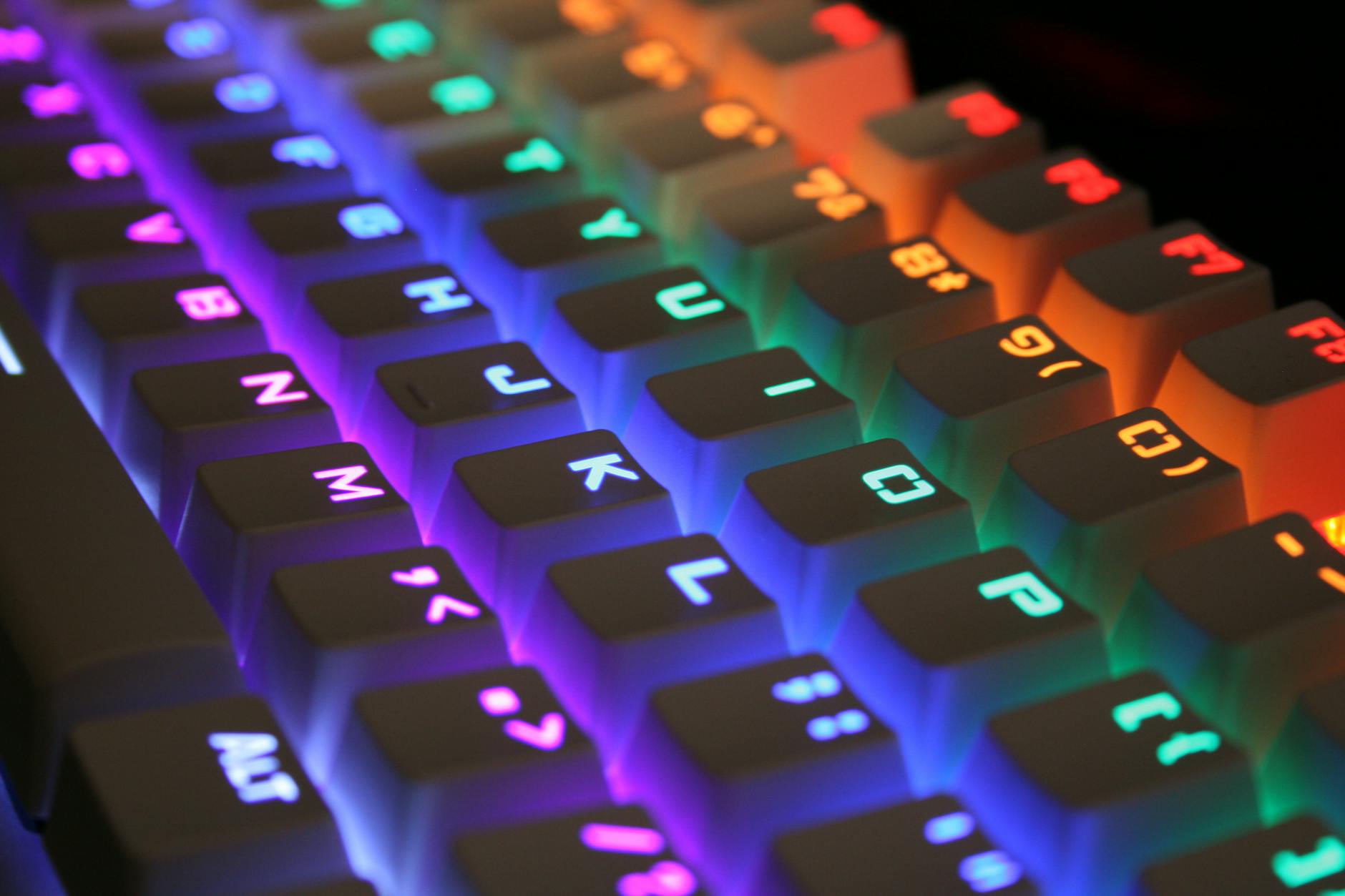
Beyond Rapid Trigger: Unlocking the Full Potential of Analog Input (and Answering Your Burning Questions)
While the initial allure of analog input often revolves around its ability to provide "rapid trigger" capabilities – the instant, hair-trigger response that can shave precious milliseconds off your reaction time in competitive gaming or provide immediate feedback in industrial control – its true power extends far beyond this singular advantage. Think of it as a spectrum, not just an on/off switch. Analog input allows for a nuanced, proportional response, translating the precise degree of a physical action into a corresponding digital value. This opens doors to a vast array of applications, from fine-tuned throttle control in flight simulators to delicate pressure sensing in robotics. It's about capturing the gradient of an action, not just its initiation.
This deeper understanding of analog input naturally leads to a host of questions.
- How does this proportionality translate into real-world benefits?
- Are there limitations to its precision or responsiveness compared to digital?
- What are the optimal scenarios for leveraging analog over traditional digital inputs?
"The beauty of analog lies in its ability to capture the 'how much' alongside the 'when'."
Mastering Analog Precision: Practical Tips, Customization, and Why It Matters for Your Gameplay
Achieving true mastery in gaming often hinges on a deep understanding and utilization of your controller's analog sticks. It's not just about moving or looking around; it's about executing precise, nuanced movements that can differentiate between a brilliant play and a missed opportunity. Understanding the intricacies of deadzones, outer thresholds, and response curves is paramount. Many games offer in-depth customization options allowing you to calibrate these settings to your personal preference and playstyle. For instance, a smaller deadzone might grant hyper-responsiveness, while a larger one could prevent accidental inputs. Experimenting with these settings, alongside a game's sensitivity sliders, can dramatically enhance your control and overall gameplay experience, leading to more consistent and impactful actions in fast-paced scenarios.
Beyond the in-game settings, consider the physical aspect of your analog sticks. Aftermarket options like performance thumbstick grips or extended analog sticks can offer tangible benefits. Grips provide enhanced traction and comfort, reducing thumb fatigue during long gaming sessions, while extended sticks increase the throw distance, allowing for finer motor control and more precise aiming or movement. But why does this level of precision genuinely matter? In competitive gaming, even a millisecond's advantage or a fraction of a degree in aiming can be the difference between victory and defeat.
Mastering analog precision translates to improved aim, smoother movement, and ultimately, a higher level of control over your character or vehicle, empowering you to perform at your peak and consistently outmaneuver your opponents.It's an investment in your skill set that pays dividends across various genres, from first-person shooters to racing simulations.