Understanding Crypto Betting: How it Works & Why Bitcoin or Ethereum?
Crypto betting, at its core, operates much like traditional online wagering, but with a crucial difference: it leverages the power of blockchain technology and cryptocurrencies. Instead of depositing fiat currencies (USD, EUR, etc.), users fund their accounts with digital assets like Bitcoin or Ethereum. This fundamental shift brings several advantages, including enhanced privacy and often lower transaction fees, as intermediaries are largely cut out. Furthermore, the decentralized nature of many crypto platforms can lead to greater transparency, with some even offering provably fair systems where the integrity of each bet can be independently verified on the blockchain. Understanding these mechanics is key to appreciating the unique value proposition crypto betting offers, moving beyond just a different payment method to a fundamentally different betting experience.
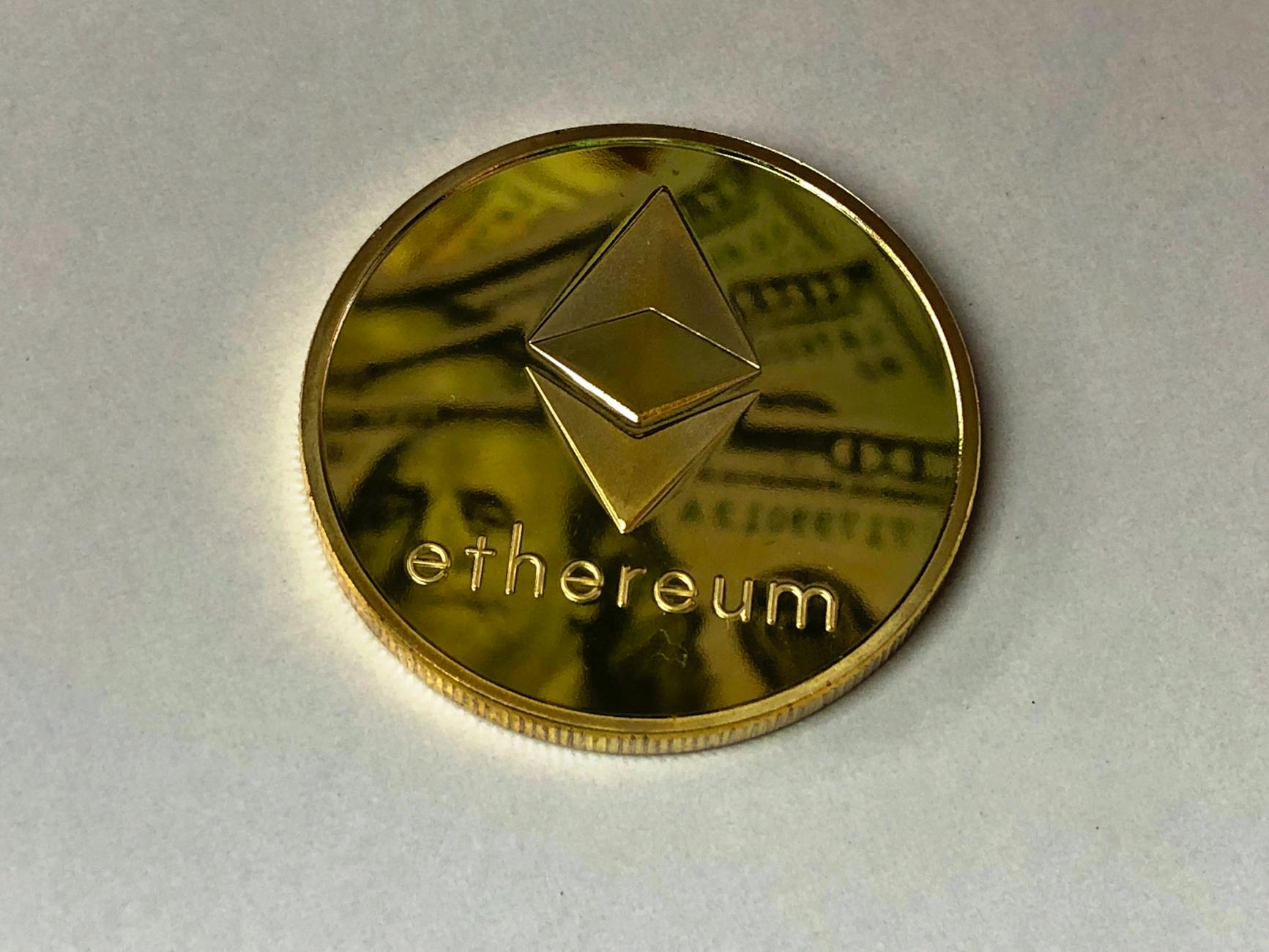
When considering which cryptocurrency to use for betting, Bitcoin (BTC) and Ethereum (ETH) emerge as the leading contenders, each with distinct advantages. Bitcoin, as the original and most recognized cryptocurrency, offers unparalleled liquidity and widespread acceptance across a vast number of betting platforms. Its robust security and long track record make it a reliable choice for many. Ethereum, on the other hand, brings more than just a currency; it's a platform for decentralized applications (dApps). This means many crypto betting sites are built directly on the Ethereum blockchain, allowing for seamless integration and often more advanced features like smart contract-powered betting. The choice often comes down to personal preference for:
- Liquidity and Adoption: Bitcoin's broad reach.
- Platform Integration & Features: Ethereum's dApp ecosystem.
- Transaction Speed & Fees: Varies depending on network congestion for both.
The exhilarating world of crypto sportsbook World Cup betting offers a unique blend of decentralized finance and global football fever. Fans can now place their wagers on their favorite teams using various cryptocurrencies, enjoying enhanced privacy and often better odds compared to traditional bookmakers. This new frontier in sports betting, the crypto sportsbook World Cup, provides a seamless and secure experience for enthusiasts looking to get in on the action with their digital assets.
Choosing Your Crypto: Speed, Fees, and Future Value for Your World Cup Winnings
With your World Cup winnings in hand, the exciting (and slightly daunting) task of choosing the right cryptocurrency begins. It's not just about picking a recognizable name; it's about aligning the crypto's characteristics with your financial goals and risk tolerance. Consider transaction speed: if you envision frequent trading or quick conversions back to fiat, a blockchain like Solana or Avalanche, known for their high transactions per second (TPS), might be more suitable than Bitcoin, which prioritizes security and decentralization over raw speed. Conversely, if your plan is to hold long-term and ride out market fluctuations, Bitcoin's established network and robust security might be the safer bet. Don't forget to factor in transaction fees; these can eat into your profits, especially for smaller amounts or frequent micro-transactions. Ethereum, while innovative, has historically faced criticism for high gas fees during periods of network congestion, making alternatives like Polygon or Arbitrum attractive for those looking to interact with DeFi without breaking the bank.
Beyond immediate speed and cost, a crucial aspect is the future value proposition of your chosen crypto. Are you looking for established stability with potential for steady growth, or are you willing to take on higher risk for the chance of exponential returns? Researching a project's fundamentals is key. Evaluate its use case, the strength of its development team, its community engagement, and its roadmap for future innovation. For instance, Ethereum's ongoing transition to Proof-of-Stake (the Merge) and its vibrant ecosystem of decentralized applications (dApps) suggest strong long-term potential, despite current fee challenges. Newer projects, while offering higher upside, also come with increased volatility and the risk of failure. A balanced portfolio might even include a mix: a foundational asset like Bitcoin for stability, and a smaller allocation to an altcoin with strong technological potential. Remember, every investment carries risk, so diversification and thorough due diligence are your best friends in navigating the dynamic world of crypto.